- For any further information: +27 (123) 879-679
- info@crossthedivide.org.za
Travel Risk Management
Prepare people and systems to respond responsibly when conditions change
Training and audits for organisations responsible for travel, expeditions, fieldwork and outdoor programmes. Develop practical procedures, clear responsibilities and the judgement to act when circumstances change.
Recognition
When the plan meets a different reality
Your organisation may have risk assessments, operating procedures and emergency plans in place. How confidently can your people use them?
Weather changes. A participant needs unexpected support. A provider’s arrangements differ from what was agreed.
Someone must recognise what has changed, decide what it means and take appropriate action. They need the competence, authority and support to do so.
Concern about these responsibilities can make organisations reluctant to offer trips at all. A considered approach to risk helps preserve the opportunities for learning and development that make those experiences worthwhile.
Reframing
Start with the purpose. Understand the risk.
Every trip or programme has a reason for taking place. Its value, participants and environment should inform how it is prepared and managed.
Good risk management examines what could cause harm, how exposure can be reduced and whether the remaining risk is appropriate to the activity.
That includes understanding who is taking part. Health conditions, disabilities, cultural needs and individual support requirements belong in the planning from the beginning.
Clear procedures support that work. People also need the judgement to recognise when an assumption no longer holds, a limit has been reached or a different plan is required.
Responsible preparation makes worthwhile experiences possible.

What becomes possible
People who know what to do, and when to reconsider
Recognise what needs attention
Identify hazards, gaps and assumptions before departure, and notice when conditions require a fresh assessment.
Make responsibility clear
Establish who prepares, approves and leads, who can change or stop an activity, and where additional support comes from.
Use procedures with understanding
Give people instructions they can apply, together with an understanding of their purpose and limits.
Respond as a team
Coordinate organisers, leaders and providers so that information reaches the right people and decisions can be acted upon.
Learn from experience
Use incidents, near misses and feedback to make specific improvements to planning, training and practice.
How the pathway works:
Examine the reality behind the arrangements
Understand the operation
We begin with what you do, who participates and where the activity takes place.
A local visit and a remote expedition require different arrangements. The work must reflect your actual responsibilities and operating conditions.
Connect systems with competence
An effective procedure needs people who can carry it out.
Training and audit findings help identify where clearer instructions, practical experience, supervision or additional expertise are needed.
Look beyond the document
We examine how procedures are understood and used.
What depends on one experienced person? Where are responsibilities assumed? Which arrangements become difficult to follow when time, conditions or resources change?
These questions help reveal gaps that a document review alone may miss.
Make improvement actionable
Findings need to lead somewhere. We help clarify priorities and discuss what needs to change, who should take responsibility and how progress can be reviewed.
A more purposeful travel experience
Services
Training and Audits
Training
Develop the knowledge, skills and judgement needed to prepare and lead travel and outdoor programmes responsibly.
Training is shaped around participants’ roles, experience and the situations they are expected to manage.
Managing Risk for Youth and School Trips
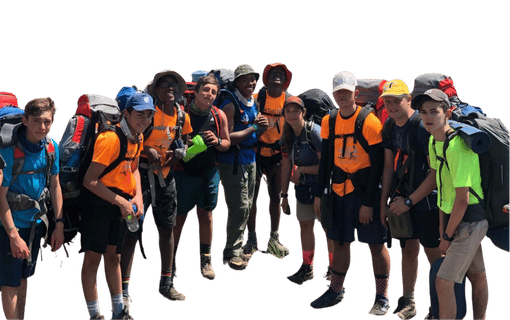
A practical workshop for trip organisers, trip leaders and leadership teams, including educators and providers working with children and young people.
Drawing on ISO 31031:2024 and its South African adoption, SANS 31031:2025, the workshop develops participants’ ability to plan, lead, evaluate and improve trips.
The content follows the responsibilities involved throughout a trip:
- Understanding responsibilities: duty of care, safeguarding, liability, negligence, indemnities, waivers and informed consent.
- Planning: approvals, permissions, financial and transport considerations, staff selection, risk assessments, procedures, communication and contingency arrangements.
- Leading: supervision, group management, reassessing risk as conditions change, and incident and crisis management using case studies.
- Evaluating: achievement of objectives, incident and near-miss reporting, communication with stakeholders and follow-up learning.
Participants receive comprehensive notes, access to sample risk assessments and standard operating procedures, an attendance certificate, and assistance to develop a school-trip risk-management policy template aligned with the standard.
Walking Group Leader and Mountain Leader training
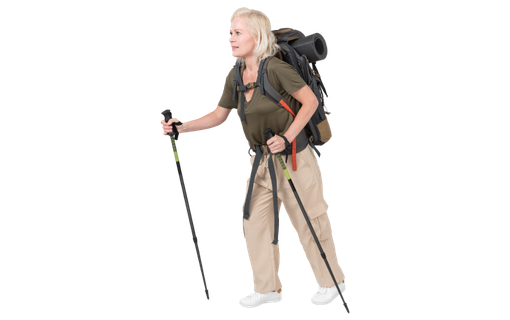
Develop practical leadership skills for hill and mountain environments, following the pathway appropriate to your experience and intended responsibilities.
- Walking Group Leader: leading groups on non-technical hill and mountain terrain, within the scope of the award.
- Mountain Leader: leading walking groups in more demanding and remote mountain environments, within the scope of the award.
Mountain training: course content and assessment
Training covers navigation, route planning, group management, equipment, hazards and emergency procedures. The Mountain Leader pathway includes additional steep-ground and winter skills.
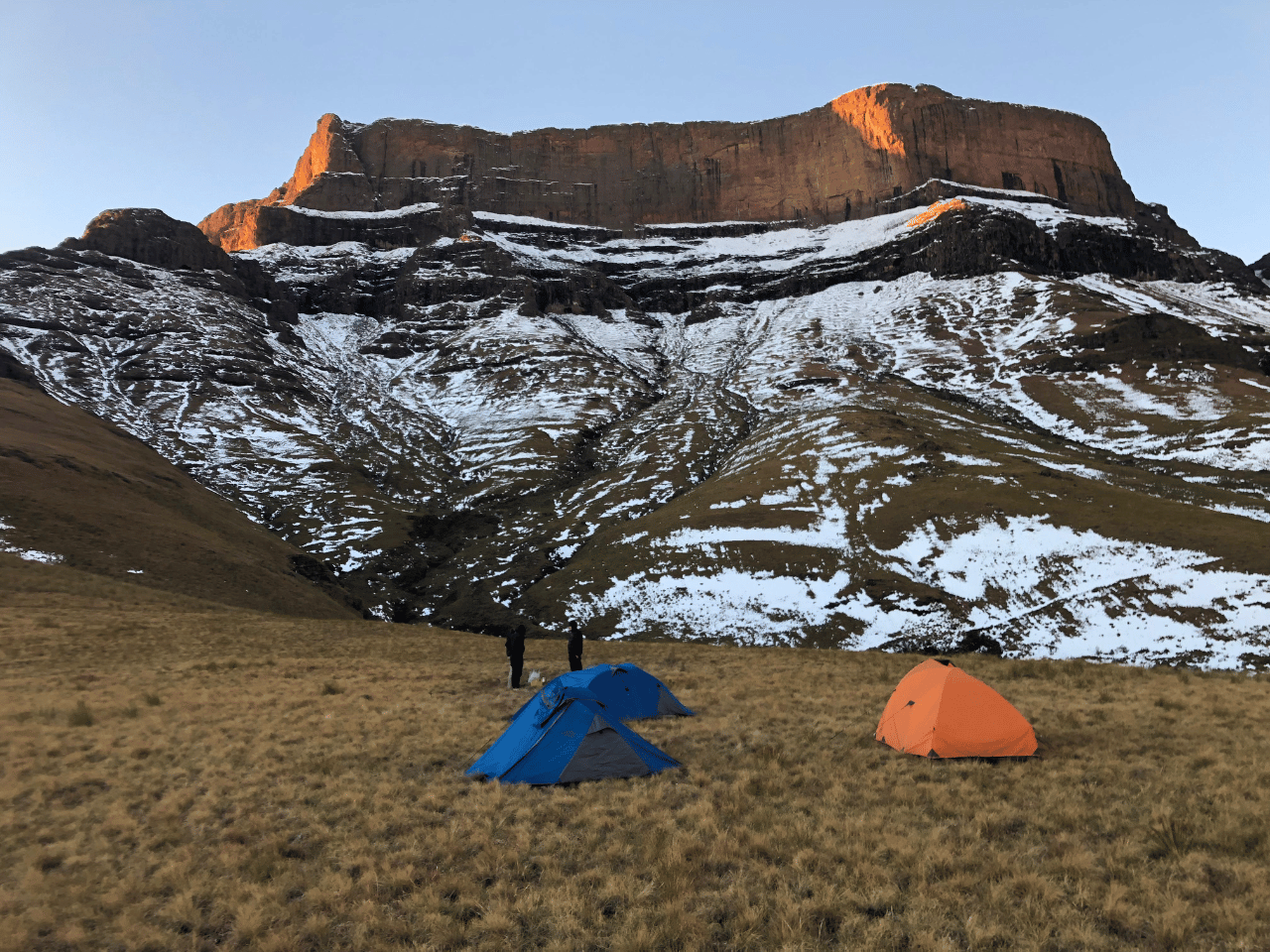
Delivery can combine online learning with practical work in the Drakensberg or other suitable mountain areas.
Entry requirements and the route to assessment are discussed before enrolment. Practical experience and consolidation are part of that process. Qualification depends on meeting the relevant requirements and demonstrating competence.
Audits
Assess whether your risk-management arrangements fit your activities and support responsible decisions in practice.
Nic reviews standard operating procedures, risk assessments and supporting systems against an agreed scope and relevant standards.
The review considers what is documented, how responsibilities are understood and the evidence available to show how arrangements operate.
Audits: areas we can examine
Operating procedures
Are instructions practical and understood? Do they define responsibilities, operating limits and when to seek support, change course or stop?
Risk assessment and analysis
Do assessments reflect the participants, activities and environment? Are controls workable? What prompts a reassessment?
People and responsibilities
Are roles matched to competence and experience? Are handovers, supervision and decision-making authority clear?
Emergency arrangements
Can the team communicate, obtain assistance and coordinate a response in the intended setting?
Providers and participants
Are responsibilities agreed with external providers? Do participants and accompanying adults receive the information they need? How are safeguarding, informed consent, accessibility and individual support needs addressed?
Learning and follow-through
Are preparations, decisions, incidents and near misses recorded? Do findings lead to changes, and does someone check that those changes happen?
The audit identifies strengths, gaps and priorities for improvement. Any assessment of conformity is limited to the criteria, scope and evidence agreed for the engagement.
What to expect
Agree the work before it begins
Describe your starting point
Tell us about your activities, participants and existing arrangements, together with the questions you want to address.
You may be planning a new programme, reviewing established practice or preparing people for greater responsibility.
Define the scope
We agree the purpose of the engagement, the people involved and the intended outputs.
For an audit, this includes the review criteria, documents, discussions and any operational observation required.
For training, it includes learning objectives, participant experience, delivery format and any assessment requirements.
Examine or practise what matters
Audit work focuses on evidence relevant to your operation.
Training connects principles with practical tasks and decisions appropriate to participants’ responsibilities.
The Managing Risk for Youth and School Trips workshop runs over approximately 12 hours, usually one full day and one half day. It can be hosted at your school or workplace for a single organisation or participants from several organisations.
Scheduling can include evenings or weekends by prior arrangement. The host provides a room with audiovisual facilities, preferably with tables arranged for discussion and group work.
Identify the next actions
We discuss findings, development needs and priorities.
Workshop resources provide a starting point for developing your organisation’s own arrangements. Purchasing a licensed copy of the relevant standard is recommended to support that work.
Where further training, implementation support or follow-up review is appropriate, this is agreed separately.
An advisory audit does not itself provide certification. The nature and limits of the review are made clear from the outset.
Reassurance
Experience in the field. Contribution to standards.
Experience in the field. Contribution to standards. Chrysalis Project brings together outdoor programme delivery, expedition leadership, mountain training and risk-management expertise. Founding director Nic Shaw has worked in environmental and adventure-based programmes, expeditions and fieldwork since 1992. Chrysalis Project is a registered nonprofit organisation. Its school-trip training supports its wider purpose of reducing barriers to learning outside the classroom.
Mountain leadership and rescue experience
Nic is a Mountain Leader Instructor with mountain experience in South Africa, Canada and the United Kingdom, alongside involvement in mountain search and rescue. Chrysalis Project’s mountain leadership training and assessment activities are listed through South African Mountain Training Standards.
Standards informed by practice
Nic’s professional work includes chairing the SABS Technical Committee for tourism and related services and contributing to international risk-management standards. That experience connects the development of standards with the practical questions organisations and leaders encounter.
A relevant framework for each engagement
International standards provide reference points for examining arrangements and identifying improvements. ISO 31031:2024, Managing Risk for Youth and School Trips, has been adopted in South Africa as SANS 31031:2025. It provides voluntary guidance that can be applied to day visits, overnight trips and international journeys, with arrangements proportionate to the activity. Depending on the scope, relevant adventure-tourism standards may also inform the work, including those addressing safety-management systems, leader competence and participant information. The work considers how those principles apply to your activities and responsibilities.